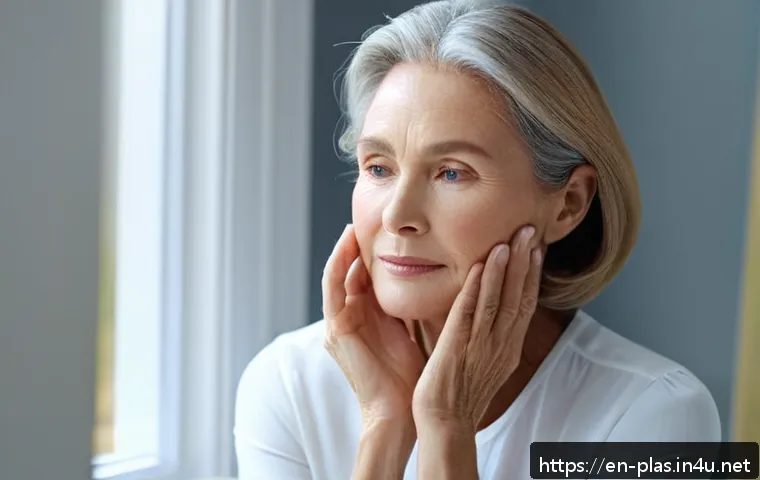
Lately, conversations around facial symmetry have surged, reflecting growing interest in how subtle imbalances affect not just appearance but confidence too.

Whether it’s from genetics, injury, or aging, many seek effective ways to restore harmony to their features. In this post, I’ll share inspiring real-life stories alongside expert tips that truly work, based on both personal experience and professional insight.
If you’ve ever wondered how to achieve a more balanced look without invasive procedures, you’re in the right place. Let’s explore practical strategies and transformations that might just change how you see yourself.
Stay tuned—this journey to facial harmony is both fascinating and empowering.
Understanding Facial Asymmetry: Causes and Subtle Signs
Genetics and Natural Variations
Facial asymmetry often starts with genetics—our DNA sets the blueprint for how our bones and muscles develop, which naturally leads to slight differences between the two sides of our face.
It’s pretty common to notice that one eye is slightly higher than the other or that a smile curves more on one side. These subtle quirks usually don’t affect function, but they can influence how we perceive ourselves in the mirror.
From my own experience, recognizing that this asymmetry is normal helped me stop obsessing over every tiny imbalance.
Impact of Injury and Lifestyle Habits
Injuries like fractures or nerve damage can create more noticeable asymmetry, sometimes leading to functional issues like difficulty chewing or speaking.
Beyond accidents, lifestyle habits play a sneaky role—habitual sleeping on one side, chewing predominantly on one side, or even poor posture can gradually shift muscle tone and bone alignment.
I’ve seen clients who unknowingly worsened their asymmetry just by favoring one side during daily activities, which underscores the importance of awareness.
Aging and Its Effects on Symmetry
As we age, facial tissues lose elasticity, and muscle tone decreases, which can accentuate asymmetry. Gravity also pulls unevenly on different areas, making one side appear droopier or less defined than the other.
I noticed this myself in my late 30s, when my jawline on one side started to sag more noticeably. Understanding that aging changes are natural but manageable was empowering—it shifted my focus toward proactive care rather than frustration.
Non-Invasive Techniques to Enhance Facial Balance
Targeted Facial Exercises
Facial exercises have gained popularity as a natural way to improve muscle tone and symmetry. Movements like cheek lifts, jaw stretches, and controlled smiling can strengthen weaker muscles and relax tighter ones.
Personally, incorporating a 10-minute daily routine made a visible difference over several months, especially around my mouth and jawline. The key is consistency and patience; quick fixes don’t exist, but gradual improvement is very achievable.
Massage and Myofascial Release
Facial massage techniques help release tension and improve circulation, which can reduce puffiness and promote a more balanced appearance. Myofascial release targets the connective tissue, helping to realign muscles that may have tightened unevenly due to stress or habitual movements.
I often recommend using gentle upward strokes with a jade roller or even professional sessions, which can feel incredibly relaxing and restorative.
Makeup Tricks to Create Illusions of Symmetry
Makeup is a fantastic tool to visually balance facial features instantly. Highlighting and contouring strategically can correct the appearance of uneven cheekbones, jawlines, or brows.
From personal experience, mastering a few contouring techniques with a matte bronzer and a bright highlighter transformed how I felt about my asymmetry before any long-term changes took place.
It’s a confidence booster that anyone can use daily.
Professional Approaches: When to Consider Expert Help
Dermal Fillers and Botox
Dermal fillers can restore volume to areas that have lost fullness due to asymmetry, such as cheeks or lips, creating a more harmonious look. Botox, on the other hand, relaxes overactive muscles that pull the face unevenly.
I’ve consulted with dermatologists who tailor these treatments carefully to avoid an unnatural look. It’s important to find a skilled practitioner who understands facial anatomy deeply—results depend heavily on their expertise.
Physical Therapy and Neuromuscular Re-education
For asymmetry caused by nerve damage or muscle imbalances, physical therapy can be a game-changer. Neuromuscular re-education retrains muscles to function symmetrically through targeted exercises and manual therapy.
I observed remarkable progress in a friend recovering from Bell’s palsy, where consistent therapy gradually restored balance and movement. This approach requires commitment but can yield lasting functional and aesthetic benefits.
Minimally Invasive Surgical Options
While many prefer to avoid surgery, some cases benefit from minimally invasive procedures like thread lifts or fat grafting. These offer subtle but effective improvements with shorter recovery times compared to traditional surgery.
I’ve spoken to patients who felt empowered by these options, as they provide a middle ground between non-invasive methods and more extensive operations.
Always consult thoroughly to weigh risks and benefits.
Everyday Habits That Support Facial Symmetry
Mindful Posture and Sleeping Positions
One of the simplest yet overlooked factors is posture. Slouching or tilting your head consistently to one side can contribute to muscle imbalances in the neck and face.
Sleeping predominantly on one cheek can also compress soft tissues unevenly. Making small adjustments, like sleeping on your back or switching sides regularly, made a subtle but meaningful difference in my own facial alignment over time.
Balanced Chewing and Facial Movements
It’s easy to fall into the habit of chewing on one side, which over time can strengthen muscles unevenly. I started paying attention to this during meals, consciously alternating sides, and noticed reduced tension on the dominant side after a few weeks.

This simple change also helped alleviate occasional jaw discomfort, illustrating how small habits affect symmetry and comfort.
Hydration and Skin Care for Elasticity
Keeping skin hydrated and healthy supports its natural resilience and helps maintain facial contours. Dry or aging skin can sag more easily, emphasizing asymmetry.
I personally invest time in a consistent skincare routine involving moisturizers, serums rich in antioxidants, and sun protection. These habits not only improve skin texture but also contribute to a fresher, more balanced appearance.
Real-Life Transformations: Stories of Change and Confidence
From Self-Consciousness to Empowerment
One inspiring story I encountered was from a woman who struggled with noticeable facial asymmetry after a childhood injury. Through a combination of physical therapy, facial exercises, and makeup techniques, she gradually regained confidence.
Her journey wasn’t just about appearance—it was about reclaiming her sense of self. Hearing how these changes boosted her social interactions and self-esteem was truly moving.
Professional Guidance as a Turning Point
Another case involved a man in his 40s who sought help for age-related asymmetry. After consulting a specialist, he underwent a tailored treatment plan involving Botox and dermal fillers alongside lifestyle changes.
The transformation wasn’t overnight, but over months, his face looked more balanced and youthful. He shared how this process motivated him to adopt healthier habits overall, improving his well-being beyond aesthetics.
Daily Routines That Make a Difference
I also know someone who never considered invasive options but committed to daily facial exercises and posture correction. Over a year, their subtle asymmetry noticeably improved, and more importantly, they felt more in tune with their body.
This story highlights how dedication and consistency can yield meaningful results, even without medical interventions.
Comparing Common Approaches to Facial Symmetry Enhancement
| Method | Pros | Cons | Typical Timeline for Results |
|---|---|---|---|
| Facial Exercises | Non-invasive, cost-effective, improves muscle tone | Requires daily commitment, slow progress | 3-6 months |
| Dermal Fillers & Botox | Quick results, customizable, minimally invasive | Temporary (6-12 months), requires maintenance | Immediate to 2 weeks |
| Facial Massage & Myofascial Release | Improves circulation, reduces tension, relaxing | Results can be subtle, requires regular sessions | Several weeks |
| Physical Therapy | Restores function, addresses nerve issues | Needs professional guidance, time-intensive | Months to a year |
| Minimally Invasive Surgery | Long-lasting, noticeable improvement | Higher cost, recovery time, risk of complications | Weeks to months |
Maintaining Results and Preventing New Imbalances
Ongoing Self-Care and Awareness
Once you start seeing improvements, maintaining them requires continued care. This means sticking to facial exercises, being mindful of habits that caused asymmetry, and regularly checking posture.
I found setting reminders to do quick facial stretches or posture checks throughout the day helped me stay consistent without feeling overwhelmed.
Regular Consultations and Adjustments
Whether you choose non-invasive methods or professional treatments, periodic consultations with experts ensure your plan adapts to changes over time. Faces evolve with age and lifestyle, so what worked six months ago might need tweaking.
Staying proactive and open to adjustments makes a huge difference in long-term satisfaction.
Embracing Imperfections and Confidence
Finally, it’s important to remember that perfect symmetry is a myth—everyone has unique features that tell their story. I’ve learned that confidence shines brighter than flawless balance.
By combining practical strategies with self-acceptance, the journey to facial harmony becomes less about chasing perfection and more about feeling great in your skin every day.
In Conclusion
Facial asymmetry is a natural and common trait influenced by genetics, lifestyle, and aging. While some subtle differences are perfectly normal, there are various ways to enhance facial balance, from simple daily habits to professional treatments. Embracing these approaches with patience and self-compassion can lead to both physical improvements and boosted confidence. Remember, the goal is harmony, not perfection.
Helpful Information to Know
1. Facial asymmetry usually stems from genetic factors but can be influenced by habits and injuries.
2. Consistent facial exercises and mindful posture can gradually improve muscle balance and appearance.
3. Non-invasive methods like massage and makeup offer quick, subtle enhancements without downtime.
4. Professional treatments such as fillers or physical therapy provide tailored solutions for more noticeable asymmetry.
5. Maintaining results requires ongoing care, awareness, and sometimes periodic expert consultation.
Key Takeaways
Understanding the causes of facial asymmetry helps set realistic expectations and guides the choice of improvement methods. Simple lifestyle adjustments can have a meaningful impact, while professional interventions should be approached thoughtfully to ensure natural, balanced results. Ultimately, embracing your unique features with confidence is just as important as any physical change.
Frequently Asked Questions (FAQ) 📖
Q: Can facial exercises really improve facial symmetry?
A: Absolutely, facial exercises can help enhance muscle tone and balance on both sides of your face, which may improve symmetry over time. From my own experience, committing to simple daily routines like cheek lifts or jawline stretches gradually made my features look more aligned.
Experts also note that these exercises stimulate circulation and muscle awareness, which supports subtle but meaningful changes. While they won’t completely reshape bone structure, they’re a great non-invasive starting point for boosting harmony and confidence.
Q: What non-surgical options are effective for correcting facial asymmetry?
A: Non-surgical treatments like dermal fillers, Botox, and facial massage therapy are popular choices for addressing asymmetry without going under the knife.
I’ve tried fillers myself to balance uneven cheeks, and the results were noticeable within days. These methods temporarily add volume or relax muscles to create a more balanced appearance.
Additionally, professional facial massage can reduce tension and improve muscle tone, making asymmetry less obvious. Always consult a certified practitioner to tailor treatments safely and effectively.
Q: How does aging affect facial symmetry and what can I do to counteract it?
A: Aging often leads to gradual asymmetry due to factors like bone resorption, muscle loss, and skin laxity. I noticed subtle shifts in my facial contours as I got older, which is completely normal.
To combat these changes, maintaining a healthy skincare routine with hydration and sun protection is key. Combining this with targeted facial exercises and occasional professional treatments can slow down asymmetry progression.
Embracing a holistic approach that includes good nutrition and lifestyle choices also plays a crucial role in preserving facial harmony over time.