
The strongest way to compare plastic surgery clinics is to evaluate surgeon qualifications and facility safety before paying extra for technology claims.
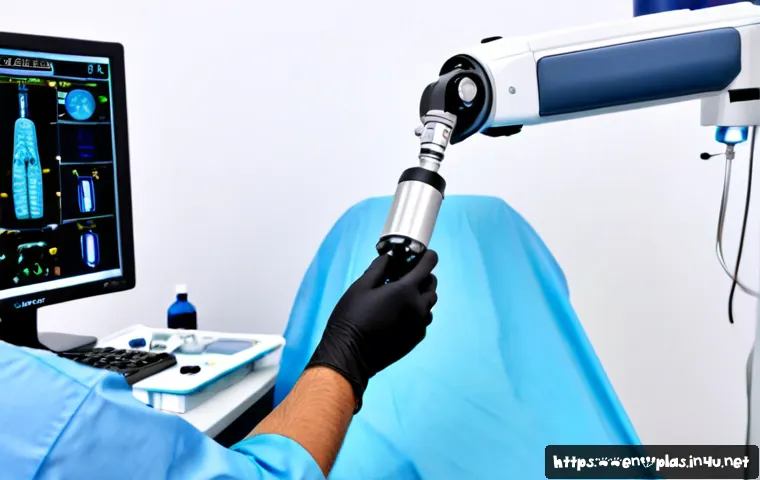
Tools such as 3D imaging and digital planning may support communication and planning, but they cannot guarantee a cosmetic outcome or remove surgical risks.
A well-structured cosmetic surgery consultation should explain the proposed approach, realistic limitations, recovery needs, and the full procedure cost.
Comparing written, itemized estimates can also prevent a lower headline quote from becoming a more expensive decision later. For patients considering consultation pricing, financing options, or an accredited surgery center, the best value is usually a clear plan with transparent safety and aftercare details.
At a Glance
- Surgeon credentials, procedure-specific experience, and facility standards should come before premium technology claims.
- 3D imaging, digital planning, and surgical devices may help with planning, but they do not guarantee a particular result.
- Compare written, itemized procedure estimates so surgeon, anesthesia, facility, and follow-up costs are visible.
| Technology Claim | What to Ask | Potential Value | Cost Implication | Limits |
|---|---|---|---|---|
| 3D imaging or simulation | How will it be used during consultation and planning? | May improve discussion of goals and expectations. | May be included in a consultation or procedure plan; confirm in writing. | It is not a promise of a final cosmetic result. |
| Digital surgical planning | Does it apply to this specific procedure and anatomy? | May help organize the surgical plan. | Ask whether planning services are separately billed. | Its usefulness depends on the procedure, clinician, and patient situation. |
| Energy-based or surgical devices | Why is this device recommended, and what training does the team have? | May support a selected technique when appropriately indicated. | Device-related charges may affect the total treatment cost. | A device alone does not replace surgical judgment or eliminate risk. |
What Actually Makes One Plastic Surgery Clinic Different?
A clinic is not meaningfully differentiated by equipment alone. The more useful comparison starts with who performs the procedure, where it is performed, and how the team plans and supports recovery. Technology can be valuable when it serves a clear purpose, but it should fit the proposed procedure rather than drive the decision.
Start with surgeon qualifications, procedure-specific experience, and communication
Ask about board certification, relevant experience with the procedure you are considering, and how the surgeon evaluates your goals. A productive consultation should cover health history, anatomy, desired changes, limitations, alternatives, and recovery expectations. Clear communication matters because cosmetic preferences can be personal, while surgical limits and risks still need direct discussion.
It is reasonable to ask who will perform each part of care and how follow-up visits are handled. If answers are vague, or the proposed plan is not explained in a way you understand, another consultation may provide useful perspective.
Where technology can add value—and where it cannot replace clinical judgment
Technology may support imaging, planning, documentation, or selected surgical techniques. For example, 3D imaging can help a patient and surgeon discuss possible goals. Digital planning may help structure a treatment approach. These tools can be useful, but they cannot account for every healing variable, scar pattern, or individual response.
Ask for relevance, not just novelty. A clinic should be able to explain why a specific tool is being recommended for your case, whether it changes the approach, and what its limits are. Marketing language such as “advanced,” “next-generation,” or “exclusive” is incomplete unless the clinic can describe the practical role of the technology.
Three questions to ask before paying for a consultation
- What qualifications and procedure-specific experience does the surgeon have?
- Will the procedure be performed in an appropriately accredited surgical facility, and who will provide anesthesia care?
- What does the consultation include, and will I receive a written estimate that identifies included and excluded costs?
Compare Technology Claims, Safety Standards, and Total Cost
A useful clinic comparison weighs technology alongside safety oversight, surgical planning, anesthesia arrangements, and total cost transparency. A low quote and a premium quote can be difficult to compare if one includes more recovery support, facility services, or follow-up care than the other.
3D imaging and digital planning: expectation-setting rather than a guaranteed result
3D imaging and digital planning can make a consultation more concrete. They may help patients explain what they like or dislike and help surgeons discuss what may be feasible. However, a simulated image is not a contract for a specific result. Healing, anatomy, tissue response, scarring, and other factors can affect the outcome.
Ask whether imaging is being used mainly for communication, for operative planning, or for both. Also ask whether it is included in the surgical consultation price or billed separately. A clear answer is more valuable than an impressive demonstration.
Surgical devices and energy-based tools: training, indication, and limitations
Different clinics may use imaging systems, energy-based devices, or other surgical tools in different ways. The important questions are whether the tool is appropriate for the procedure, whether the staff are trained to use it, and how the clinic maintains and monitors its equipment. These details should not be assumed from a device name alone.
A responsible discussion also includes limitations. No surgical device can eliminate discomfort, recovery time, scarring, or complication risk. Be cautious about claims that focus only on convenience while avoiding discussion of trade-offs and aftercare.
Comparing itemized estimates in US dollars: surgeon, facility, anesthesia, and aftercare
For U.S. patients, ask for a written, itemized estimate in U.S. dollars before making a payment decision. Exact procedure pricing and financing terms vary, so the estimate should show what is included rather than relying on a single headline figure.
- Surgeon fees
- Anesthesia charges and the anesthesia provider
- Facility or operating-room charges
- Implants, devices, or procedure-specific materials, when applicable
- Lab work, prescriptions, and post-operative garments
- Follow-up appointments and aftercare
Ask whether the estimate identifies possible exclusions. If a clinic discusses payment plans or cosmetic surgery financing, review the terms carefully and make sure the final comparison still reflects the complete treatment plan.
Clinic comparison table: what to verify before choosing
| Comparison Area | What to Verify | Why It Matters |
|---|---|---|
| Surgeon | Board certification and experience relevant to your procedure. | Technique selection and expectation-setting require clinical judgment. |
| Facility | Whether surgery occurs in an appropriately accredited facility. | Facility standards are a central safety consideration. |
| Anesthesia | Who provides anesthesia and how those arrangements are explained. | It is part of the procedure plan and total cost. |
| Technology | Its specific role, staff training, and realistic limitations. | It helps distinguish useful planning from broad marketing claims. |
| Aftercare | Follow-up schedule, recovery instructions, and complication protocols. | Recovery support can affect the practical value of a quote. |
A Safer Consultation Process: Questions That Prevent Costly Mistakes
The goal of a consultation is not simply to select a procedure. It is to determine whether the proposed approach is understandable, appropriate to your stated goals, and supported by clear safety and recovery planning.
Confirm credentials, facility accreditation, and anesthesia arrangements
Ask direct questions about surgeon credentials, procedure experience, operating-facility standards, and anesthesia care. Confirm where the procedure will occur and whether the facility is appropriately accredited. These points are especially important when comparing clinics that appear similar online but offer different levels of detail during consultation.
Ask how the proposed technique fits your anatomy and goals
A useful explanation connects the proposed technique to your anatomy, goals, and limitations. Ask what alternatives were considered and why one approach is preferred. If technology is part of the plan, ask what it contributes beyond standard surgical judgment.
Review recovery planning, complication protocols, and revision discussions
Recovery varies by procedure and individual factors. Ask about expected recovery needs, follow-up care, discomfort, scarring, and what happens if concerns arise after surgery. You can also ask how the clinic discusses revision decisions and whether related policies are provided in writing. This is not about expecting a problem; it is about understanding the support structure before treatment.
Which Priorities Matter Most for Different Patient Situations?

There is no universal “best” clinic. The right priorities depend on whether you are seeking your first procedure, comparing estimates, considering revision work, or focusing on downtime claims.
First-time cosmetic surgery patients seeking clear expectations
Prioritize a surgeon who explains options in plain language and does not treat imaging as a guarantee. A first consultation should leave you knowing the proposed plan, its limitations, the facility setting, and the recovery expectations. If it does not, consider another opinion before committing.
Patients comparing lower quotes with more comprehensive care packages
Compare the total procedure cost, not just the starting price. One quote may include anesthesia, garments, or follow-up care while another lists those separately. Request a written, itemized consultation estimate and compare what is included in post-operative care.
Revision or complex cases that may require specialized experience
For revision or complex work, procedure-specific experience may deserve more weight than a broad technology claim. Ask how the surgeon evaluates prior procedures, tissue limitations, and realistic goals. The need for specialized planning should be discussed directly rather than assumed from advertising.
Patients who value lower downtime claims: how to assess them carefully
Ask what “lower downtime” means for the proposed procedure and what recovery support is expected. Recovery time, discomfort, and scarring vary among individuals. A clinic should explain the claim in context instead of implying that technology removes the need for recovery planning.
Choosing a Clinic: A Final Comparison Checklist
Compare expertise, technology relevance, safety systems, and follow-up support
Use the same questions at each cosmetic surgery consultation. Compare surgeon qualifications, relevant experience, facility accreditation, anesthesia arrangements, technology relevance, and follow-up availability. Consistent questions make it easier to identify meaningful differences.
Identify exclusions before accepting a quoted price
Read every written estimate for exclusions involving facility charges, anesthesia, implants or devices, lab work, prescriptions, garments, and follow-up care. If financing is offered, confirm the written terms before choosing it as part of your payment plan.
When a second consultation may be worth the additional cost
A second consultation can be useful when two treatment plans differ, the estimate is unclear, the technology claim is difficult to explain, or you do not feel your questions were answered. Paying for more clarity may be preferable to making a decision based on a headline price or a simulated image alone.
Selection Criteria and Comparison Summary
Before choosing a clinic, check these decision points: surgeon credentials, procedure-specific experience, appropriately accredited facility standards, anesthesia arrangements, written itemized costs, and the scope of post-operative care. Confirm how any technology applies to your procedure and what it cannot predict. Request a written, itemized consultation estimate and compare included aftercare before making a financial commitment. For official service details, financing conditions, and consultation policies, review the clinic’s relevant information page directly.
In Closing
Technology can improve planning and communication, but it is only one part of a cosmetic surgery decision. A qualified surgeon, an appropriate surgical facility, clear anesthesia arrangements, and transparent recovery support deserve equal or greater attention. Take time to compare written plans rather than relying on promotional language or a single advertised price. The most useful consultation is one that makes both the potential benefits and the limitations clear.
Useful Information to Know
1. A 3D simulation may help discuss goals, but it does not guarantee a final result.
2. Total cost can include more than the surgeon’s fee.
3. Facility accreditation and anesthesia arrangements should be confirmed before booking surgery.
4. Recovery and scarring can vary by procedure and individual factors.
5. Written estimates are easier to compare than verbal price ranges.
Important Considerations
This information is for general comparison purposes and cannot determine whether a procedure, technique, or device is appropriate for an individual. Exact costs, financing terms, equipment maintenance, provider training, recovery duration, and aftercare inclusions require confirmation with the clinic in writing. Cosmetic results, complication risk, scar appearance, and satisfaction cannot be guaranteed.
Frequently Asked Questions
Q1. Does newer plastic surgery technology always produce better results?
A1. No. Newer technology may support imaging, planning, or a selected technique, but it cannot guarantee a better cosmetic result or eliminate surgical risks. Its value depends on the procedure, the patient’s situation, and the training and judgment of the surgical team.
Q2. What should be included in a plastic surgery cost estimate?
A2. Ask for an itemized estimate that identifies surgeon fees, anesthesia, facility charges, implants or devices when applicable, lab work, prescriptions, post-operative garments, and follow-up care. Ask what is excluded and whether any financing terms are documented separately.
Q3. How can I compare two cosmetic surgery clinics when one promotes advanced technology?
A3. Compare the technology claim with the surgeon’s credentials, procedure-specific experience, facility standards, anesthesia arrangements, and aftercare plan. Ask how the technology is used for your procedure, what it adds to the plan, and what its limitations are. Then compare written, itemized estimates rather than relying on a headline price.