
In recent years, non-surgical nose reshaping has taken the beauty world by storm, offering a quick and subtle way to enhance your natural features without going under the knife.
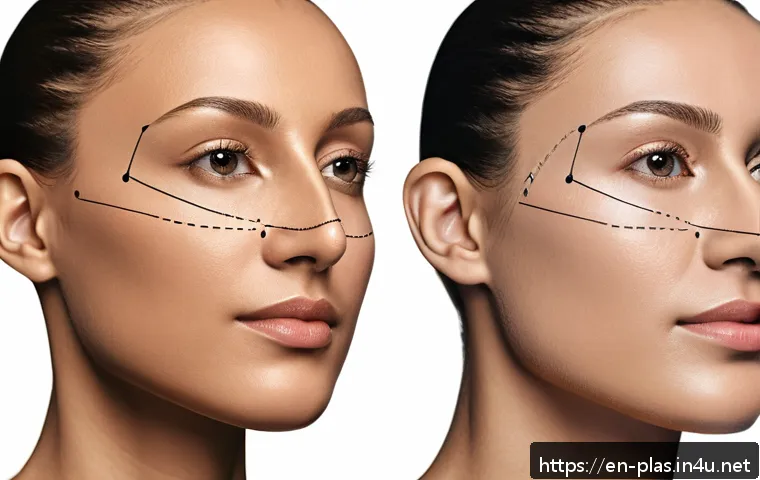
With advancements in filler technology and techniques, more people are opting for these minimally invasive procedures to achieve a refined look with minimal downtime.
If you’ve been curious about how to subtly tweak your profile or balance your facial symmetry, you’re in the right place. Let’s explore the latest trends and insights in non-surgical nose reshaping that promise natural results and renewed confidence.
Stick around—you might just discover the perfect option for your aesthetic goals!
Understanding the Art of Subtle Profile Refinement
The Power of Strategic Volume Placement
When it comes to enhancing your nose without surgery, it’s all about where the filler is placed. Injecting strategically into specific areas like the nasal bridge or tip can create the illusion of a straighter, more balanced profile.
From my experience, even a slight lift in the nasal tip using hyaluronic acid fillers can make a huge difference in your overall facial harmony. This subtle volumizing doesn’t add bulk but rather sculpts with precision, helping to smooth out bumps or asymmetries that might have bothered you before.
The key is finesse—too much filler and the effect can look unnatural, but done right, it’s almost like magic.
How Different Nose Shapes Respond to Non-Surgical Adjustments
Different nose types require tailored approaches. For example, someone with a dorsal hump might benefit from filler to “camouflage” the bump by creating a smooth slope, whereas a flat nasal bridge can gain dimension and height.
I’ve noticed that people with wider noses often seek refinement at the sides to create a narrower appearance, achieved by contouring with filler around the alar base.
Understanding these nuances is essential because the goal isn’t just to change your nose but to harmonize it with your unique facial features, enhancing your natural beauty without making it obvious you’ve had work done.
Longevity and Maintenance: What to Expect
Non-surgical nose reshaping isn’t permanent, which can be a blessing and a challenge. Typically, results last between 9 to 18 months depending on the filler type and your metabolism.
I’ve seen some clients appreciate this temporary nature because it allows them to experiment and adjust over time without committing to permanent changes.
On the other hand, regular touch-ups are necessary to maintain the desired look. It’s important to have a skilled practitioner who can customize the treatment plan, balancing longevity with natural aesthetics to keep your nose looking fresh and flawless.
Choosing the Right Filler and Technique for Your Nose
Types of Fillers Best Suited for Nasal Contouring
The filler choice plays a crucial role in the outcome. Hyaluronic acid fillers like Juvederm Voluma or Restylane Lyft are popular because they provide lift and structure without being too heavy.
These fillers are also reversible, which adds a safety net if you’re nervous about the results. In contrast, more robust fillers or biostimulatory agents might be used for longer-lasting effects, but they require careful consideration due to their permanence.
Personally, I lean towards hyaluronic acid fillers for first-timers because the results feel natural and can be fine-tuned over multiple sessions.
Injection Techniques That Make a Difference
The technique used by the injector is just as important as the product itself. Techniques vary from linear threading to micro bolus injections, each serving a specific purpose.
I’ve found that a layered approach—starting with deeper injections for support and then superficial ones for refinement—creates the most balanced and natural contour.
The injector’s understanding of nasal anatomy, including blood vessels and cartilage, is essential to avoid complications and ensure a smooth, even appearance.
This is not a procedure to rush; patience and precision pay off.
Safety Considerations and Choosing Your Specialist
Safety cannot be overstated when it comes to non-surgical nose reshaping. The nose is a sensitive area with a complex vascular network, so choosing a qualified medical professional who specializes in facial aesthetics is critical.
I’ve always recommended seeking a board-certified dermatologist or plastic surgeon with extensive experience in nasal fillers. They’ll perform a thorough assessment and discuss realistic expectations to avoid overcorrection or adverse effects.
Remember, a good specialist will prioritize your safety and natural results over pushing unnecessary treatments.
Balancing Facial Features for a Harmonious Look
How Non-Surgical Rhinoplasty Complements Other Facial Enhancements
Non-surgical nose reshaping can be a game-changer when combined with other minimally invasive treatments. For example, pairing it with jawline contouring or chin augmentation can dramatically improve overall facial balance.
I’ve noticed that when patients undergo multiple subtle enhancements simultaneously, their features look more cohesive and polished. This holistic approach ensures that the nose doesn’t stand out awkwardly but blends seamlessly with the rest of the face, elevating your natural beauty rather than altering it drastically.
The Psychological Impact of Subtle Changes
Even small changes to your nose can have a big effect on your self-confidence. Many clients tell me that after their non-surgical nose reshaping, they feel more comfortable in photos and social interactions.
It’s fascinating how a minor tweak can shift your self-perception and even the way others perceive you. However, it’s important to approach these procedures with realistic expectations—non-surgical methods enhance what’s already there but don’t completely transform your identity.
The best results are those that boost your confidence while keeping your unique character intact.
Natural-Looking Results: What to Aim For
The ultimate goal is subtlety. A common mistake is going for dramatic changes that can look artificial. From what I’ve experienced and seen among clients, the best results are those where people say, “You look great!
What’s different?” rather than “Did you get your nose done?” Non-surgical reshaping should feel like a gentle refinement, not a makeover. This means focusing on symmetry, smoothing out imperfections, and enhancing your natural contours in a way that feels completely authentic.
What to Know Before Your Appointment
Consultation and Personalized Assessment
Before any filler touches your nose, a detailed consultation is essential. During this session, your practitioner will assess your nasal structure, skin thickness, and overall facial proportions.
They’ll also discuss your aesthetic goals and medical history to ensure the procedure is safe and tailored to your needs. I always recommend preparing questions in advance and being honest about your expectations.
This conversation sets the foundation for a successful treatment and helps avoid surprises.
Pre-Procedure Tips to Maximize Comfort and Results
To minimize swelling and bruising, avoid blood-thinning medications and supplements like aspirin or fish oil at least a week before your appointment. Hydrating well and getting a good night’s sleep also contribute to a smoother recovery.
When I had my first non-surgical nose job, following these simple steps made the experience much more comfortable. Also, plan to avoid strenuous exercise and alcohol for 24-48 hours afterward, as these can exacerbate swelling.
What to Expect During and After Treatment
The procedure itself is surprisingly quick, often completed within 15-30 minutes. Most patients describe the sensation as mild discomfort rather than pain, thanks to topical numbing agents.

Immediately after, you might notice some swelling or redness, but this typically subsides within a few days. I usually advise clients to sleep with their head elevated and avoid touching or applying pressure to the nose for at least a week.
Most people can resume daily activities quickly, making this a convenient option for those with busy schedules.
Comparing Non-Surgical Nose Reshaping with Traditional Surgery
Recovery Time and Convenience
One of the biggest advantages of non-surgical nose reshaping is the minimal downtime. Unlike traditional rhinoplasty, which can require weeks of recovery and comes with bruising, swelling, and sometimes significant discomfort, filler treatments allow you to get back to your routine almost immediately.
From my perspective, this convenience is a huge draw, especially for those hesitant about surgery or who want a temporary solution before committing to something permanent.
Cost Differences and Accessibility
Non-surgical procedures are generally more affordable upfront compared to surgical rhinoplasty. Prices can vary widely depending on your location and provider, but they usually range from a few hundred to a couple thousand dollars per session.
This makes it accessible to a broader audience who want subtle improvements without the financial and time investment of surgery. However, remember that ongoing maintenance means these costs can add up over time, which is something to factor into your decision.
Limitations and When Surgery Might Be Necessary
While fillers can correct many minor imperfections, they aren’t a fix-all. For significant structural issues, breathing difficulties, or dramatic reshaping, surgical rhinoplasty remains the gold standard.
I always advise clients to consult with a specialist who can help determine the best approach based on their unique needs. In some cases, combining both surgery and non-surgical touch-ups can provide optimal long-term results.
| Aspect | Non-Surgical Nose Reshaping | Traditional Rhinoplasty |
|---|---|---|
| Procedure Time | 15-30 minutes | 2-4 hours |
| Recovery | Minimal, few days | Several weeks to months |
| Cost | Several hundred to a few thousand USD per session | Typically $5,000 – $15,000+ |
| Longevity | 9-18 months | Permanent |
| Risks | Swelling, bruising, rare vascular complications | Infection, anesthesia risks, longer healing |
| Results | Subtle, reversible | More dramatic, permanent |
Exploring Complementary Treatments for Facial Balance
Chin and Jawline Enhancements
Adding filler to the chin or jawline can dramatically affect how your nose appears. A stronger chin often creates better facial proportions, making the nose look more balanced.
I’ve worked with clients who combined these treatments and felt their entire profile was transformed with very natural results. It’s about creating a frame for your face that highlights your best features rather than focusing on just one area.
Skin Texture and Tone Improvements
Sometimes the perception of nose shape is influenced by the skin’s texture and tone. Treatments like microneedling, laser resurfacing, or chemical peels can improve skin quality, making your nose appear smoother and more refined overall.
From my experience, pairing these skin treatments with non-surgical reshaping can elevate your look even further, contributing to that fresh, radiant appearance everyone desires.
Non-Surgical Options for Nasal Tip Refinement
The nasal tip is one of the trickiest areas to address non-surgically, but advances in filler techniques have made it possible to subtly lift or narrow the tip without surgery.
I’ve found that minimal filler placed precisely can improve the tip’s projection and shape, which often completes the overall nose enhancement. It’s a delicate balance, but when done right, it enhances your profile without making the changes obvious.
Post-Treatment Care and Maximizing Your Results
Managing Swelling and Bruising
Swelling and bruising are common but usually mild after filler injections. Using cold compresses intermittently in the first 24 hours can help reduce discomfort and inflammation.
Personally, I recommend avoiding hot showers or saunas immediately after the procedure, as heat can worsen swelling. If bruising occurs, arnica supplements or topical creams can support faster healing, but results vary from person to person.
When to Schedule Follow-Up Appointments
Follow-ups are essential to assess the results and make any necessary adjustments. Typically, a touch-up session is scheduled 2 to 4 weeks after the initial treatment to perfect the shape and address any areas that might have settled differently.
From what I’ve seen, this two-step approach ensures the most natural and lasting outcome, allowing for minor tweaks based on how your body responds.
Long-Term Maintenance Strategies
To keep your nose looking its best, regular maintenance treatments are necessary. I advise clients to track their results and plan touch-ups before the filler fully dissolves to maintain continuity.
Additionally, protecting your skin from sun damage and maintaining a healthy lifestyle supports overall skin and tissue health, indirectly benefiting the longevity of your results.
Staying in close contact with your injector ensures your treatment plan evolves with your needs over time.
In Conclusion
Non-surgical nose reshaping offers a subtle yet effective way to enhance your facial harmony without the commitment of surgery. With the right technique, filler choice, and an experienced specialist, you can achieve natural-looking results that boost confidence. Remember, patience and personalized care are key to a beautiful outcome that complements your unique features.
Helpful Information to Keep in Mind
1. Always choose a board-certified professional with extensive experience in nasal fillers to ensure safety and optimal results.
2. Preparation before your appointment, such as avoiding blood thinners and staying hydrated, can significantly reduce side effects like bruising and swelling.
3. Non-surgical nose reshaping is temporary, typically lasting 9 to 18 months, so plan for maintenance sessions to keep your look fresh.
4. Combining nose reshaping with other facial treatments like jawline contouring or skin resurfacing can create a more balanced and harmonious appearance.
5. Manage post-treatment care carefully by using cold compresses and avoiding heat exposure to minimize swelling and speed up recovery.
Key Takeaways
Choosing the right filler and injection technique tailored to your nose shape is essential for natural, subtle results. Prioritize safety by consulting with qualified specialists who understand nasal anatomy thoroughly. Keep in mind that non-surgical rhinoplasty is best suited for minor adjustments and that significant structural concerns may require surgical intervention. Lastly, realistic expectations and ongoing maintenance will help you enjoy your enhanced look with confidence and ease.
Frequently Asked Questions (FAQ) 📖
Q: uestions about Non-Surgical Nose ReshapingQ1: How long do the results of non-surgical nose reshaping typically last?
A: The effects of non-surgical nose reshaping usually last between 6 to 18 months, depending on the type of filler used and individual metabolism. In my experience, hyaluronic acid fillers tend to last around 9 to 12 months before a touch-up is needed.
Since the procedure doesn’t involve permanent changes, maintaining the results requires periodic follow-ups, but many find this trade-off worth it for the quick recovery and subtle enhancement.
Q: Is the non-surgical nose job painful, and what is the downtime like?
A: From what I’ve seen and heard, the procedure is generally well-tolerated with minimal discomfort. Most practitioners use a numbing agent or inject a local anesthetic to keep you comfortable.
After the treatment, you might experience slight swelling or bruising, but it usually subsides within a few days. The best part? You can return to your daily routine almost immediately, which is a huge plus compared to surgical rhinoplasty recovery.
Q: Can non-surgical nose reshaping correct issues like a crooked nose or a bulbous tip?
A: Non-surgical nose reshaping works best for smoothing out bumps, lifting a droopy tip, or creating better symmetry by adding volume in specific areas. However, it has limitations; it cannot reduce the size of the nose or fix severe structural problems like a significantly crooked nose.
For those more complex concerns, surgical options remain the gold standard. That said, for subtle refinements, many people—including myself—have found non-surgical treatments to be surprisingly effective and natural-looking.