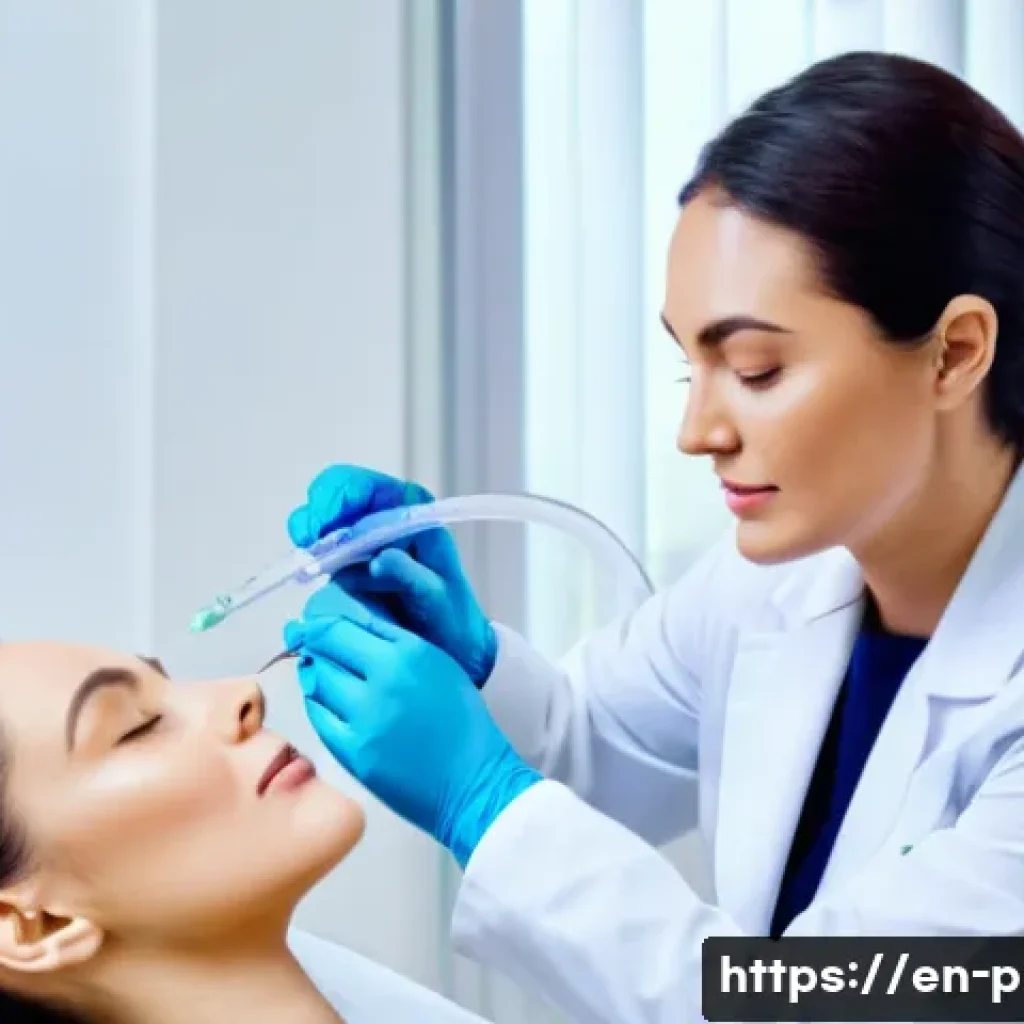
Neck fat removal treatments have become increasingly popular as more people seek non-invasive ways to achieve a defined jawline and a slimmer neck profile.
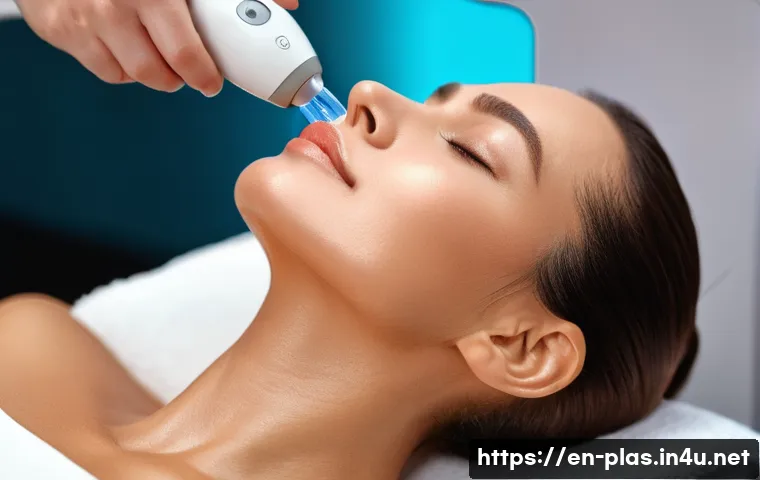
Whether it’s stubborn fat deposits or skin laxity, modern procedures offer targeted solutions with minimal downtime. From injectable options to laser therapies, these treatments are designed to enhance your natural contours without the need for surgery.
Many have found that a tailored approach not only improves appearance but also boosts confidence. Curious about how these options work and which might be right for you?
Let’s dive deeper and explore all the details to help you make an informed choice!
Understanding Non-Surgical Neck Contouring Options
Injectables: Targeted Fat Reduction with Precision
Injectable treatments like deoxycholic acid have gained popularity for their ability to dissolve fat cells under the chin and neck area without surgery.
From my own experience and talking to others, the appeal lies in the minimal recovery time and gradual, natural-looking results. Typically, these injections are administered in a series over several weeks.
You might feel a slight burning or swelling afterward, but it usually subsides quickly. The best part is that you can return to your daily routine almost immediately.
Over a couple of months, the fat cells break down and your jawline becomes more sculpted, creating a sleek profile without the need for incisions or anesthesia.
Laser and Radiofrequency Technologies: Skin Tightening Meets Fat Reduction
Laser and radiofrequency devices work by heating the deeper layers of skin to stimulate collagen production while also targeting fat cells. I noticed after a few sessions that not only did my neck feel firmer, but the contour looked smoother and more defined.
These treatments are great for people who have mild to moderate skin laxity along with fat deposits. Sessions typically last around 30 to 60 minutes, with little to no downtime.
While you may experience slight redness or warmth immediately after, these effects generally fade within hours. The collagen boost continues for weeks, which means your skin gradually tightens and lifts, enhancing the overall contour of your neck.
Ultrasound-Based Solutions: Precision Without Pain
Ultrasound energy has become a go-to for those who want to tackle neck fat and sagging skin simultaneously. Using focused ultrasound waves, the treatment heats targeted layers under the skin, which encourages fat breakdown and stimulates collagen.
Unlike some other methods, ultrasound treatments are painless and require no anesthesia. From what I’ve gathered, most people feel a warming sensation during the procedure but no real discomfort.
Results typically appear gradually over 2 to 3 months as the body clears out destroyed fat cells and firms up the skin, providing a refined neck profile that looks natural and refreshed.
Factors to Consider When Choosing a Neck Slimming Treatment
Assessing Your Skin Type and Fat Distribution
Before picking a treatment, it’s essential to understand your unique skin characteristics and fat deposits. For example, if you have a lot of loose skin in addition to fat, a procedure that combines fat reduction with skin tightening might be more effective.
Conversely, if your skin is relatively firm but you’re dealing with stubborn fat pockets, injectable fat dissolvers or cryolipolysis (fat freezing) could be ideal.
Consulting with a specialist who evaluates your neck’s anatomy can prevent disappointment and help tailor a plan that suits your needs perfectly.
Downtime and Recovery Expectations
One of the biggest perks of non-surgical neck treatments is the minimal downtime, but it varies depending on the method. Injectables may cause swelling and tenderness for a few days, while laser and radiofrequency treatments might leave your skin red or warm briefly.
Ultrasound options often require no downtime at all. Knowing what to expect helps with planning around work or social commitments, and it also sets realistic expectations for the healing process.
Personally, I’ve found that scheduling treatments during less busy periods makes it easier to manage temporary side effects.
Long-Term Maintenance and Follow-Up
Non-invasive treatments often require maintenance sessions to sustain results. Fat cells that are destroyed don’t come back, but weight gain or aging can affect the neck contour over time.
Some people opt for yearly touch-ups to keep their jawline looking sharp. Additionally, combining treatments—like following up fat reduction with skin tightening—can maximize and prolong the effects.
When I started treating my neck, I found that a combination approach worked best for my skin and lifestyle, providing a natural, lasting improvement.
Comparing Popular Neck Fat Removal Treatments
| Treatment | Method | Typical Sessions | Downtime | Results Timeline | Suitable For |
|---|---|---|---|---|---|
| Deoxycholic Acid Injections | Fat cell dissolution via injection | 2-4 sessions | 1-3 days mild swelling | 6-12 weeks | Localized fat under chin |
| Laser Lipolysis | Laser energy melts fat and tightens skin | 3-6 sessions | 24-48 hours redness | 4-8 weeks | Mild to moderate fat and loose skin |
| Radiofrequency Therapy | Heat-induced collagen and fat reduction | 4-6 sessions | Minimal to none | 2-3 months | Sagging skin with some fat |
| Ultrasound Treatment | Focused ultrasound breaks down fat, tightens skin | 1-3 sessions | None | 2-3 months | Fat and skin laxity |
Real-Life Experiences: What People Are Saying
Gradual Change That Feels Natural
Many individuals share that the slow but steady improvement from non-surgical treatments feels less intimidating than surgery. They appreciate that no one can immediately tell they’ve had work done, which helps maintain a natural appearance.
One person I spoke with mentioned how their confidence soared once the subtle definition around their jawline became noticeable, even though the change was gradual.
Balancing Expectations with Reality
It’s important to remember that these treatments are not a miracle cure; they work best for mild to moderate concerns. Some people expect dramatic overnight transformations and end up disappointed.
From my own conversations, those who researched thoroughly and had realistic goals found the most satisfaction. Patience and commitment to follow-up sessions make a huge difference.
Combining Treatments for Optimal Results
A common theme I’ve noticed is that combining different modalities often yields the best outcomes. For example, starting with fat-dissolving injections and following up with radiofrequency skin tightening addresses both volume and laxity.

This layered approach helps achieve a sharper, more youthful neck profile without surgery.
Cost Considerations and Value for Money
Understanding Price Ranges
Prices for neck fat removal treatments vary widely based on location, provider expertise, and the technology used. Injectables typically cost between $600 and $1200 per session, while laser and radiofrequency treatments might range from $300 to $800 per session.
Ultrasound treatments tend to be on the higher end, sometimes exceeding $1000 for a single session. From my research and personal consultations, it’s crucial not to choose solely based on price; quality and safety should always come first.
Insurance and Financing Options
Since these procedures are cosmetic, insurance rarely covers them. However, many clinics offer financing plans or packages that make treatments more affordable.
I found that some providers bundle multiple sessions at a discounted rate, which can significantly reduce the overall cost. It’s worth asking about these options during your consultation to make the investment manageable.
Evaluating Long-Term Value
While the upfront cost might seem high, consider the longevity and maintenance requirements. Non-surgical treatments often save you the risks and recovery time of surgery, which can be invaluable.
Also, the boost in confidence and self-esteem many report after treatment can have positive ripple effects on social and professional life, making the expense worthwhile beyond just aesthetics.
Preparing for Your Treatment: Tips and Precautions
Consulting with a Qualified Specialist
Choosing a board-certified dermatologist or plastic surgeon with experience in neck contouring is key. During your consultation, ask about their track record, request before-and-after photos, and discuss your goals honestly.
I’ve found that providers who take time to explain the procedure and set realistic expectations tend to deliver better patient satisfaction.
Pre-Treatment Guidelines
Most non-invasive treatments require minimal preparation, but some general advice includes avoiding blood-thinning medications and alcohol for a few days before the procedure.
Staying hydrated and maintaining a healthy lifestyle can also improve healing and outcomes. Personally, I found that preparing mentally and physically helped me stay relaxed during sessions.
Post-Treatment Care
Aftercare varies by treatment but usually involves avoiding excessive sun exposure, applying soothing creams, and refraining from intense exercise for a day or two.
I always recommend keeping a close eye on any swelling or redness and contacting your provider if anything unusual occurs. Following these simple steps can make the healing process smoother and enhance your final results.
글을 마치며
Non-surgical neck contouring offers a versatile range of options that fit various needs and lifestyles. From injectables to ultrasound treatments, these methods provide gradual, natural-looking improvements with minimal downtime. Choosing the right approach depends on your skin type, goals, and willingness to maintain results over time. With careful consideration and expert guidance, achieving a sharper, youthful neck profile without surgery is entirely possible.
알아두면 쓸모 있는 정보
1. Non-surgical treatments often require multiple sessions for optimal results, so patience is key to seeing the full benefits.
2. Combining fat reduction and skin tightening procedures can enhance contouring effects and create a more balanced, youthful appearance.
3. Minimal downtime means you can usually resume daily activities quickly, but planning treatments during less busy periods can ease recovery.
4. Costs vary widely based on the method and provider; always prioritize safety and expertise over the lowest price.
5. Regular maintenance sessions help sustain results, especially as natural aging and lifestyle factors influence your neck’s appearance.
중요 사항 정리
Understanding your individual anatomy and realistic expectations are fundamental before selecting a non-surgical neck contouring treatment. Each method offers unique benefits and limitations, so consulting a qualified specialist who can tailor a plan to your needs is essential. While these procedures provide effective fat reduction and skin tightening with minimal downtime, ongoing maintenance and a commitment to follow-up sessions are often necessary to maintain results. Prioritize safety, provider expertise, and thorough research to ensure a satisfying and natural-looking outcome.
Frequently Asked Questions (FAQ) 📖
Q: What are the most effective non-surgical treatments for neck fat removal?
A: The most popular non-surgical treatments include injectable options like Kybella, which dissolves fat cells, and laser therapies such as SculpSure that use heat to target fat beneath the skin.
Radiofrequency treatments and ultrasound technologies are also effective for tightening skin and reducing fat. From my experience, combining fat reduction with skin tightening procedures often yields the best, natural-looking results because it addresses both volume and laxity.
Q: How long does it take to see results from these neck fat removal treatments?
A: Results vary depending on the treatment type and individual factors like metabolism and lifestyle. For injectables like Kybella, noticeable changes usually appear within 4 to 6 weeks after the treatment, with full results by 12 weeks.
Laser and radiofrequency treatments may show gradual improvements over several weeks as the body naturally eliminates fat and tightens skin. In my case, patience is key—results develop subtly but steadily, which helps keep the transformation looking authentic.
Q: Are there any risks or side effects associated with non-invasive neck fat removal?
A: While these treatments are generally safe, some side effects can occur, such as swelling, redness, bruising, or mild discomfort at the treatment site.
Rarely, more serious issues like nerve injury can happen, particularly with injectable options, but this is uncommon when performed by an experienced provider.
I always recommend consulting with a board-certified specialist to discuss your medical history and ensure the safest approach tailored to your needs.
Proper aftercare also plays a big role in minimizing risks and optimizing results.